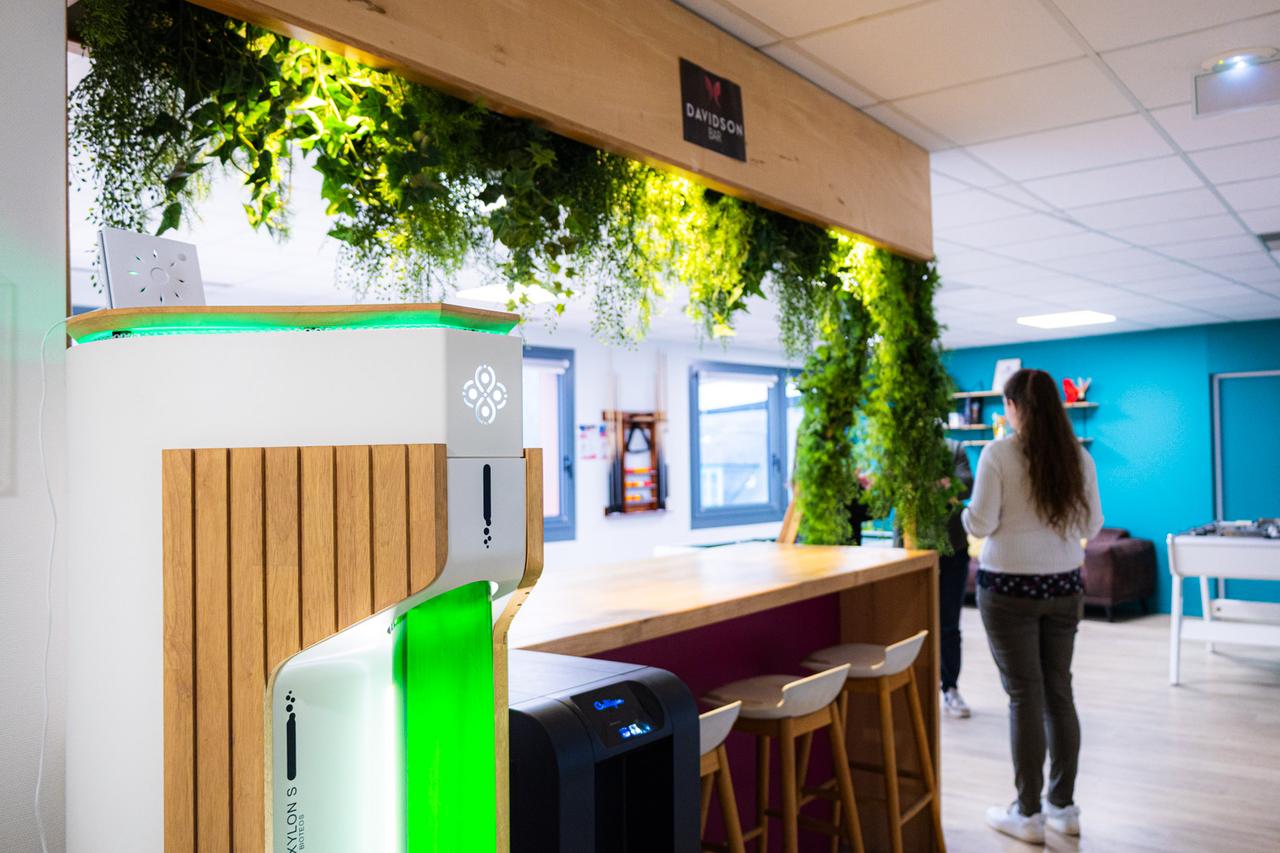
Purification, ventilation, végétalisation : quelle solution pour quel contexte ?
Face aux multiples solutions disponibles pour améliorer la qualité de l'air intérieur, comment choisir ? Tout commence par un diagnostic.
Lire l'article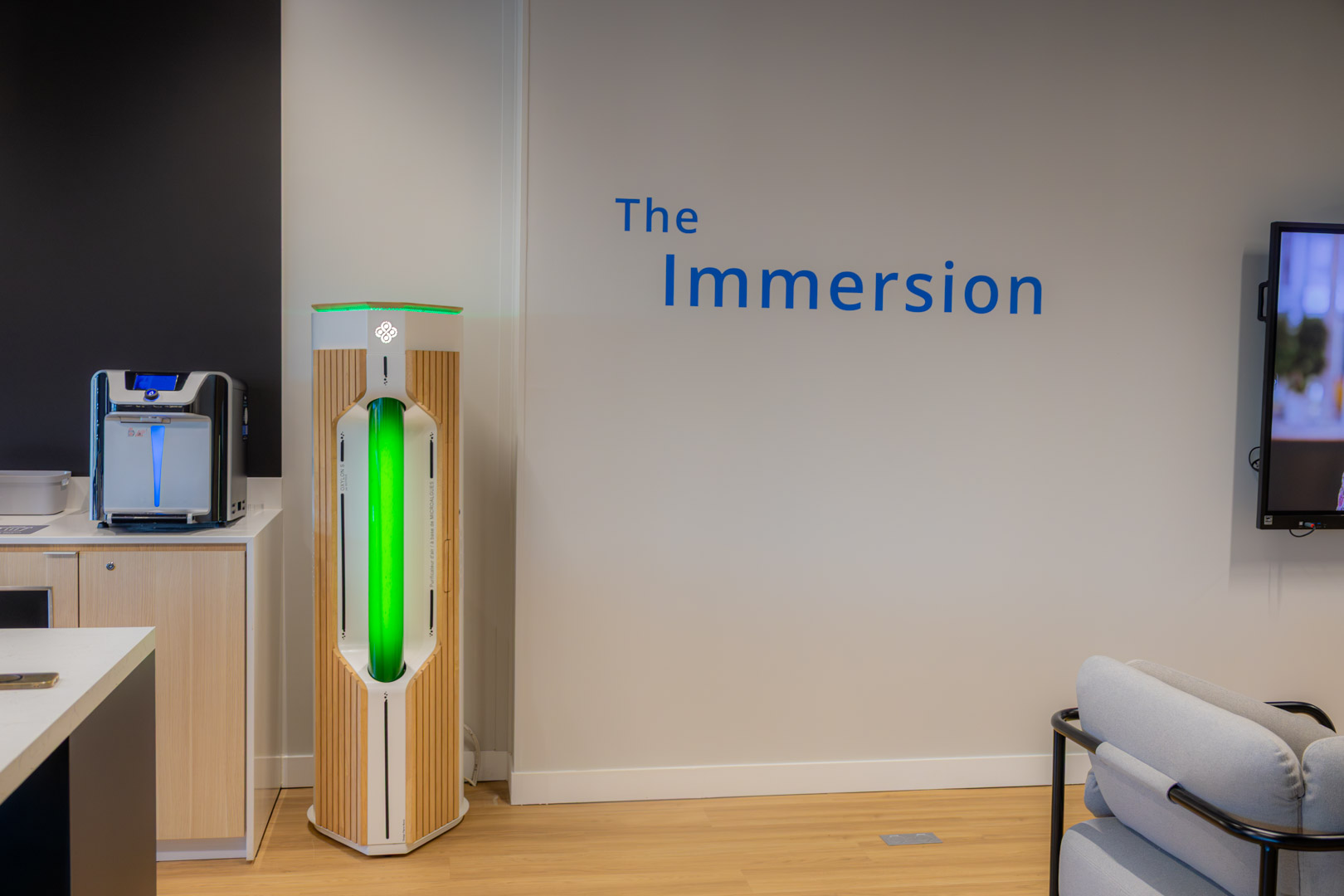
Ventilation naturelle ou mécanique en bureau : quel choix ?
Découvrez les différences entre ventilation naturelle et ventilation mécanique dans les bâtiments tertiaires. Avantages, limites, réglementation et rôle du monitoring QAI avec Bioteos pour améliorer durablement la qualité de l’air intérieur.
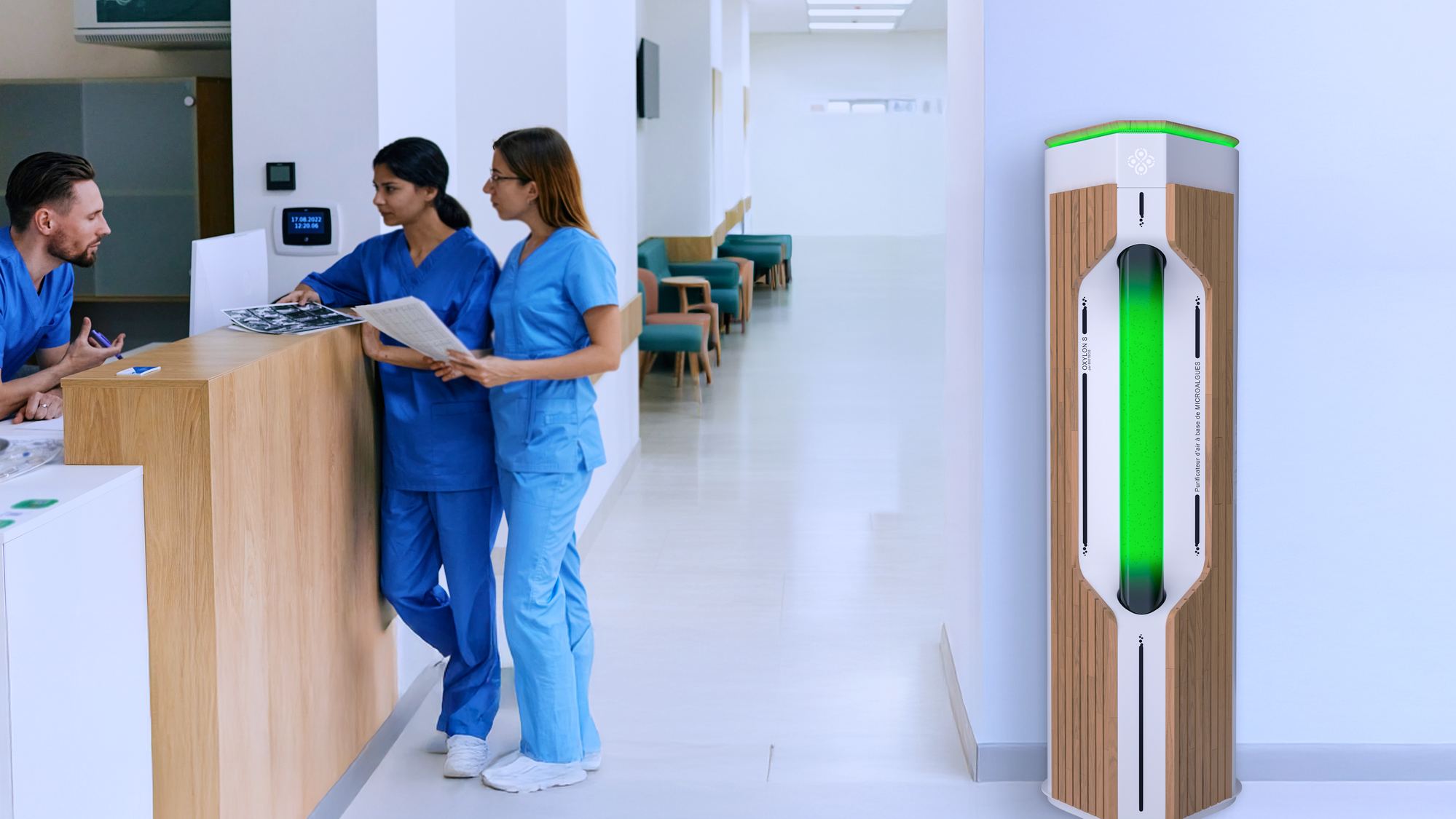
LA QAI en maisons de santé pluriprofessionnelles (MSP)
Le décret 2022 renforce les obligations de surveillance de la qualité de l’air intérieur (QAI) pour les maisons de santé pluriprofessionnelles (MSP), imposant des seuils contraignants pour le CO₂, le formaldéhyde, les COV et le monoxyde de carbone. Cette évolution réglementaire s’appuie sur les recommandations de l’OMS et du HCSP, avec des méthodes de mesure et des fréquences précisées par les normes NF EN ISO 16000 et EN 16516.
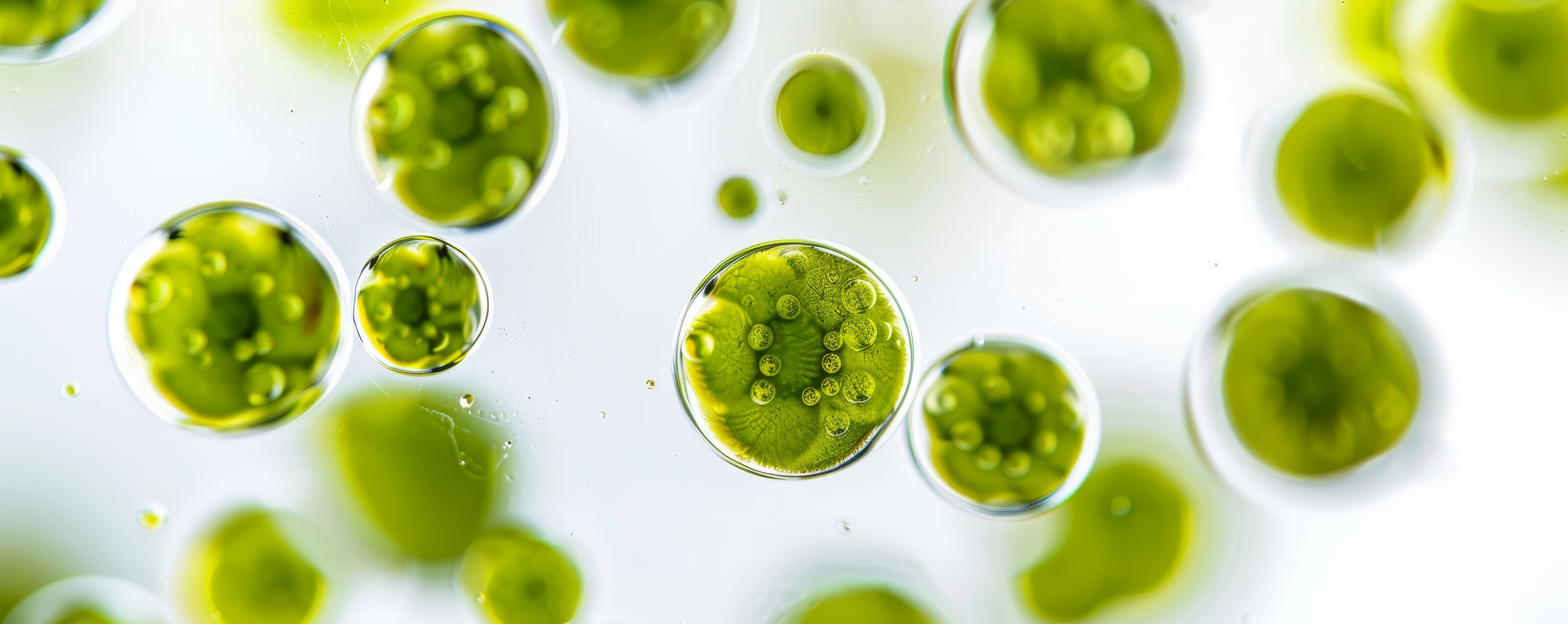
Qu'est-ce qu'une microalgue ?
Chez Bioteos, nous purifions l'air intérieur grâce aux microalgues. Découvrez comment ces organismes vivants captent COV, particules fines et CO₂, sans filtre jetable.
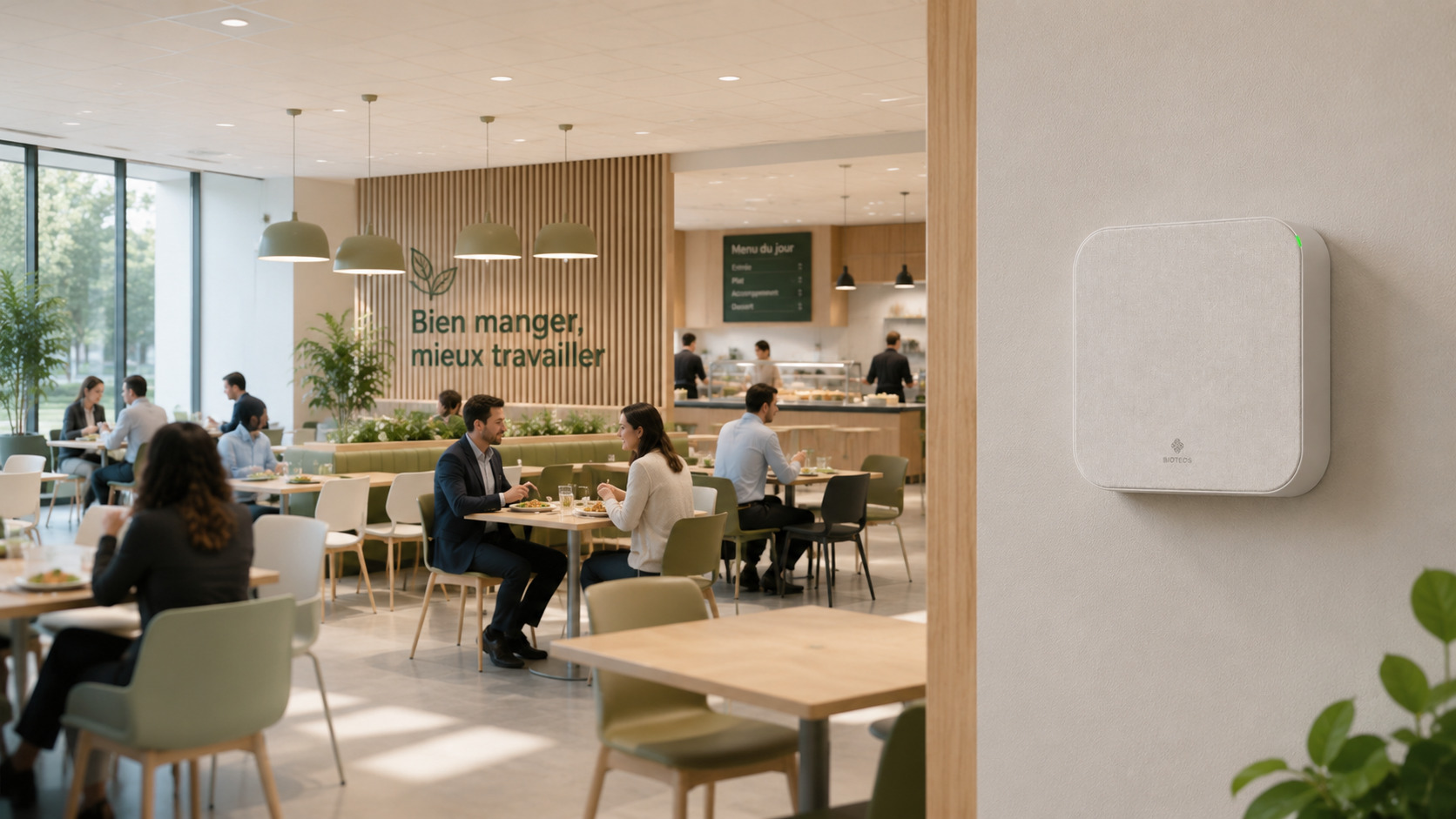
QAI en temps réel : intégration des capteurs pour les ERP et l'efficacité
La surveillance en temps réel de la qualité de l'air intérieur (QAI) dans les ERP est un enjeu opérationnel majeur. Les facility managers peuvent optimiser la conformité réglementaire, réduire les consommations énergétiques et améliorer mesurablement le cadre de vie des occupants grâce à des données factuelles. Cette approche transforme les contraintes en leviers d'efficacité et de pérennité des bâtiments tertiaires.
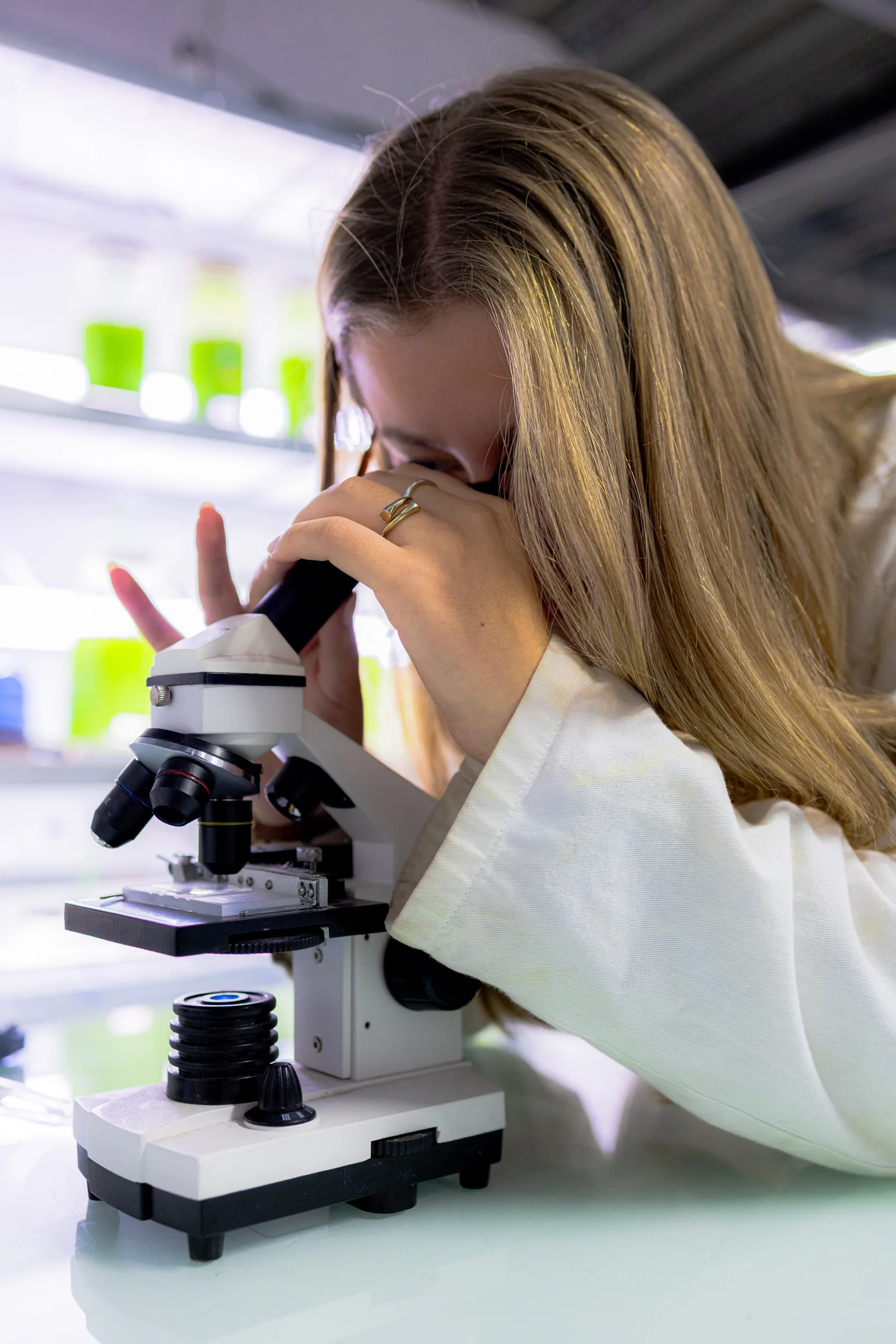
Qu'est-ce que la biotechnologie ?
La biotechnologie utilise le vivant (micro-organismes, cellules, algues) pour créer des solutions utiles dans l'alimentation, la santé et l'environnement. Bioteos applique ce principe à la purification de l'air : des microalgues cultivées en laboratoire agissent comme un filtre vivant qui absorbe les polluants et produit de l'oxygène.
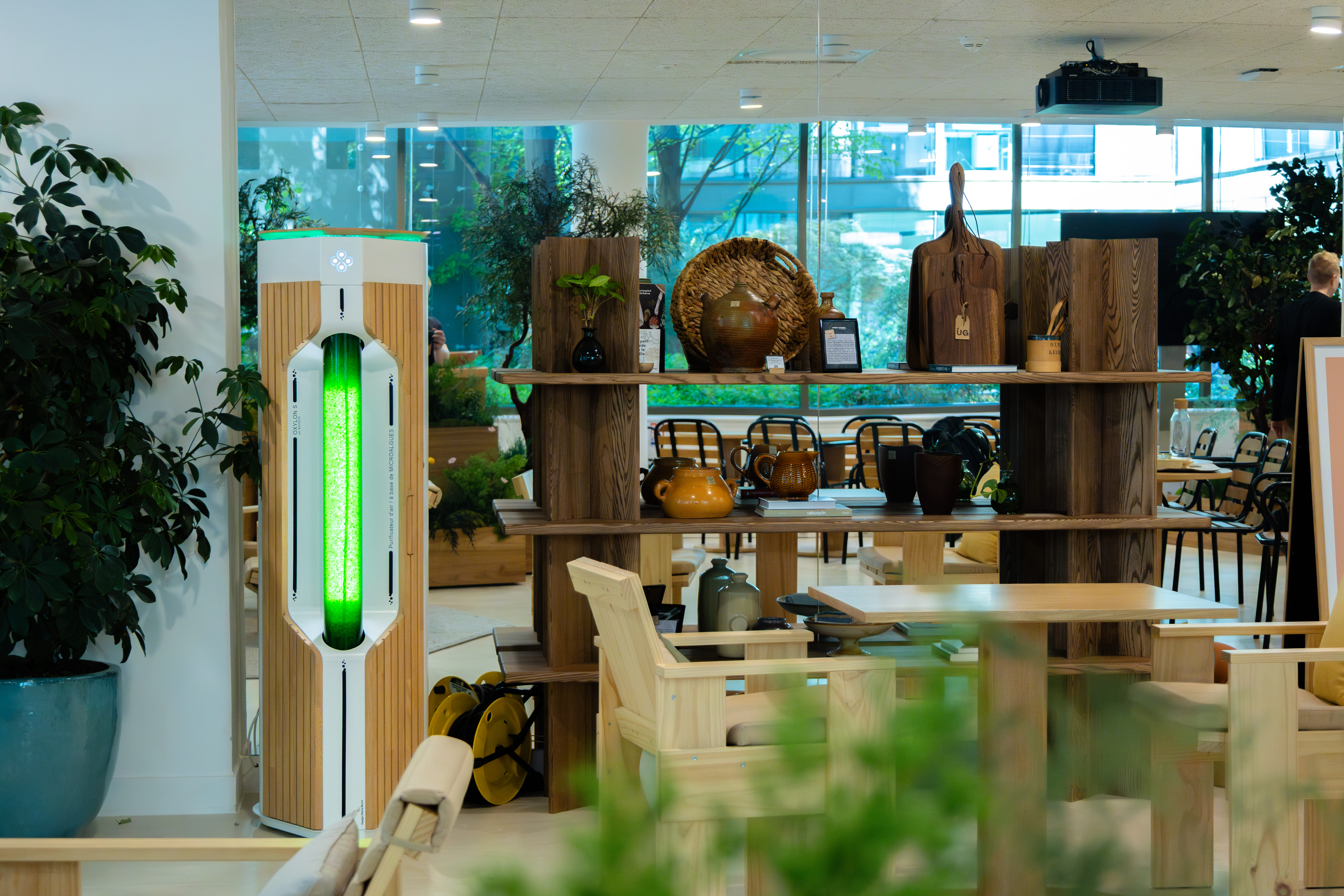
Quel lien entre QAI et performance énergétique
Plus un bâtiment est isolé pour économiser l'énergie, plus l'air intérieur se dégrade et les polluants s'accumulent (COV, particules fines, CO₂). Les conséquences sont lourdes. A la fois sanitaire et économique, il est important de considérer cet enjeu dès la conception du futur bâtiment. Parallèlement, repenser la démarche RSE en incluant la QAI est également nécessaire pour palier ce problème. La solution de BIOTEOS permet une approche complète et propre pour améliorer la qualité de l'air intérieur en s'adaptant à chaque structure

Comment la canicule impacte-t-elle la QAI ?
Canicule et QAI : deux phénomènes plus liés qu'il n'y paraît. Chaleur, humidité en baisse, polluants concentrés dans l'air… En période de fortes chaleurs, la qualité de l'air intérieur se dégrade silencieusement. Comment limiter les risques ?

Quel est le lien entre hantavirus et QAI ?
Dans les espaces clos, la QAI n’est peut-être pas la cause de l’hantavirus mais peut devenir un facteur de son développement.

CO2 au bureau : l'ennemi invisible de la concentration
Dès 1 000 ppm, les capacités décisionnelles baissent de 11 %. Ce que la science mesure sur l'impact du taux de CO2 dans les espaces de travail.
Le ROI de la qualité de l'air : ce que les chiffres démontrent
Absentéisme, productivité, conformité réglementaire : comment calculer le retour sur investissement d'un programme QAI, avec des données réelles.

QAI et RSE : comment l'air intérieur renforce votre stratégie ESG
HQE, WELL, BREEAM, CSRD : la qualité de l'air intérieur est l'un des indicateurs ESG les plus mesurables du pilier Social. Comment l'intégrer concrètement.
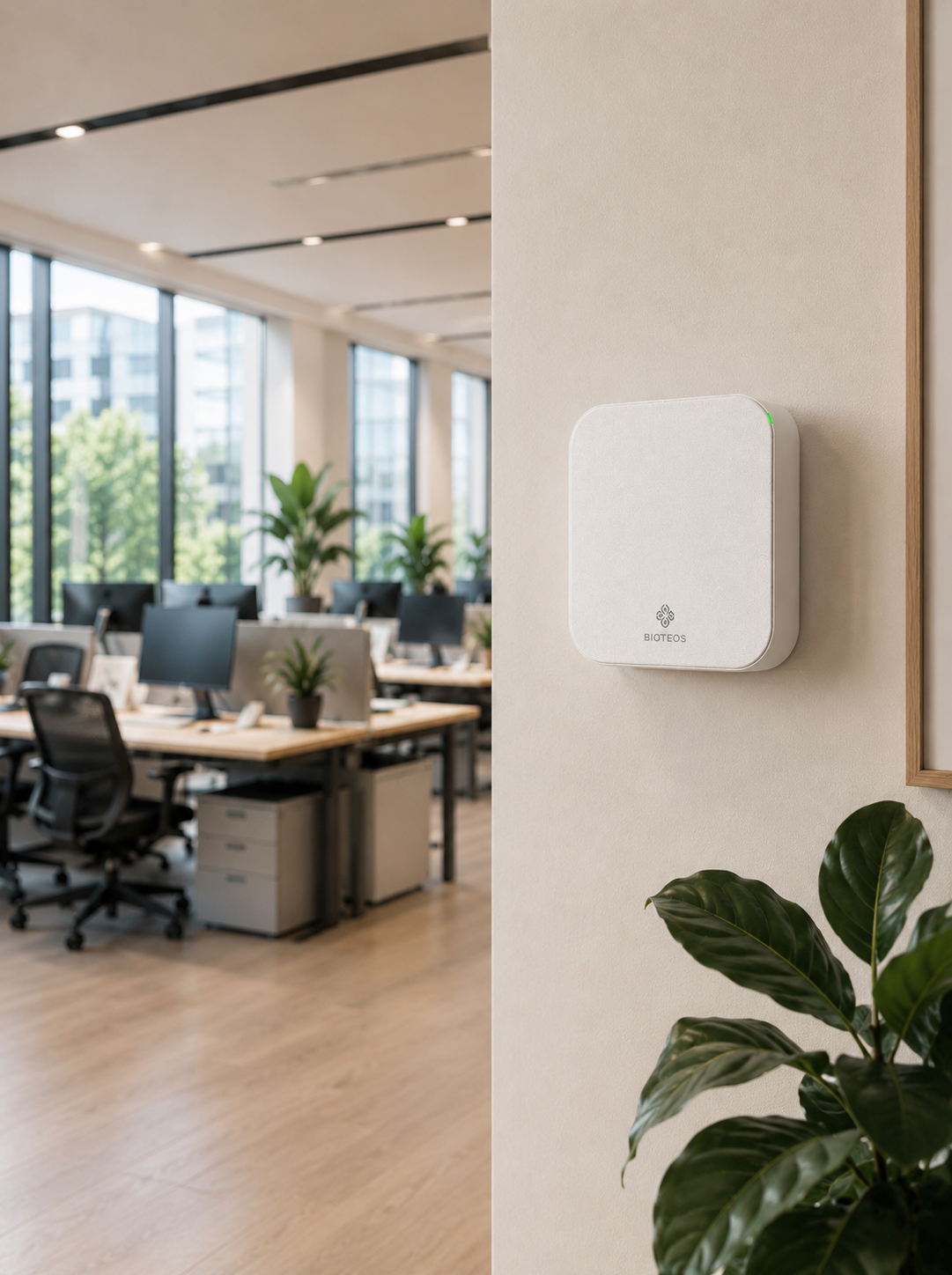
Absentéisme et qualité de l'air : le lien que les DRH sous-estiment
La mauvaise QAI génère jusqu'à 3 jours d'arrêt supplémentaires par an et par salarié. Ce que les études documentent sur ce lien, et comment y remédier.
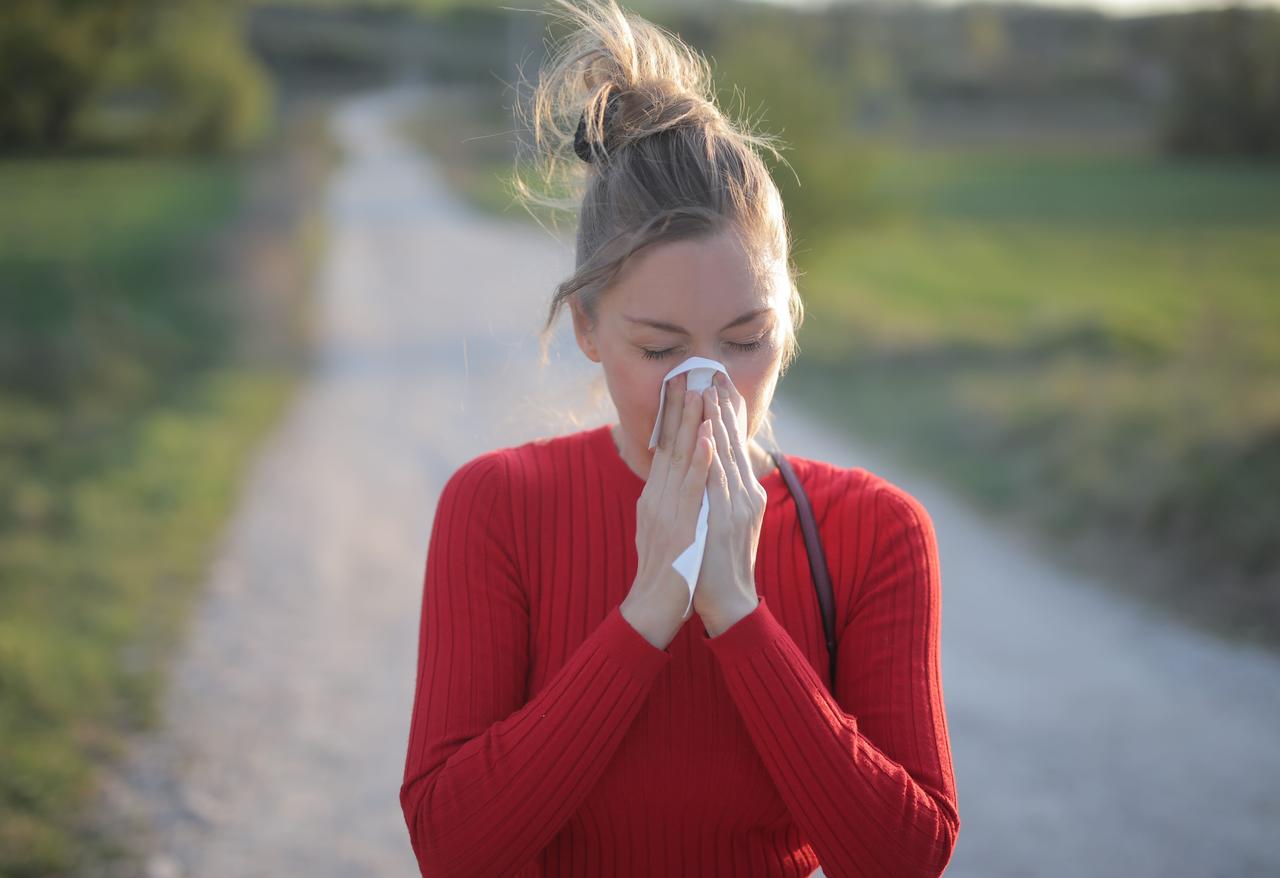
Allergènes dans l'air de bureau : les sources que l'on ne voit pas
30 % des Français souffrent d'allergies respiratoires. Acariens, moisissures, spores : les allergènes présents dans les bureaux, leurs effets et les solutions.

2026, dernière ligne droite pour se conformer à la réglementation
Le 31 décembre 2026 marque la dernière échéance de conformité à la loi Grenelle II. Ce que cela implique concrètement pour les ERP.
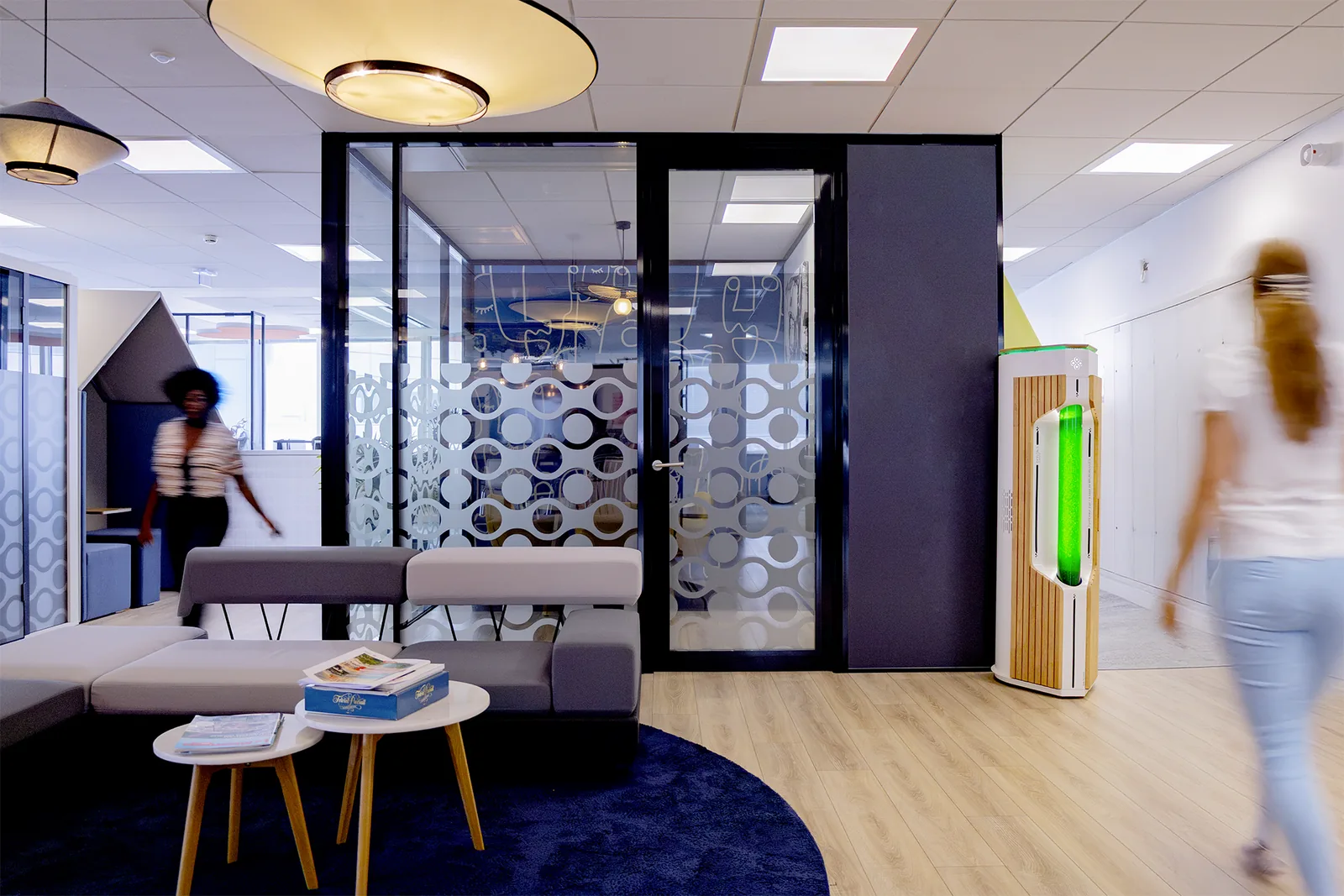
La qualité de l'air intérieur : le syndrome du bâtiment malsain
Documenté depuis 1983, le syndrome du bâtiment malsain désigne les symptômes observés chez les occupants de locaux à la qualité d'air dégradée.
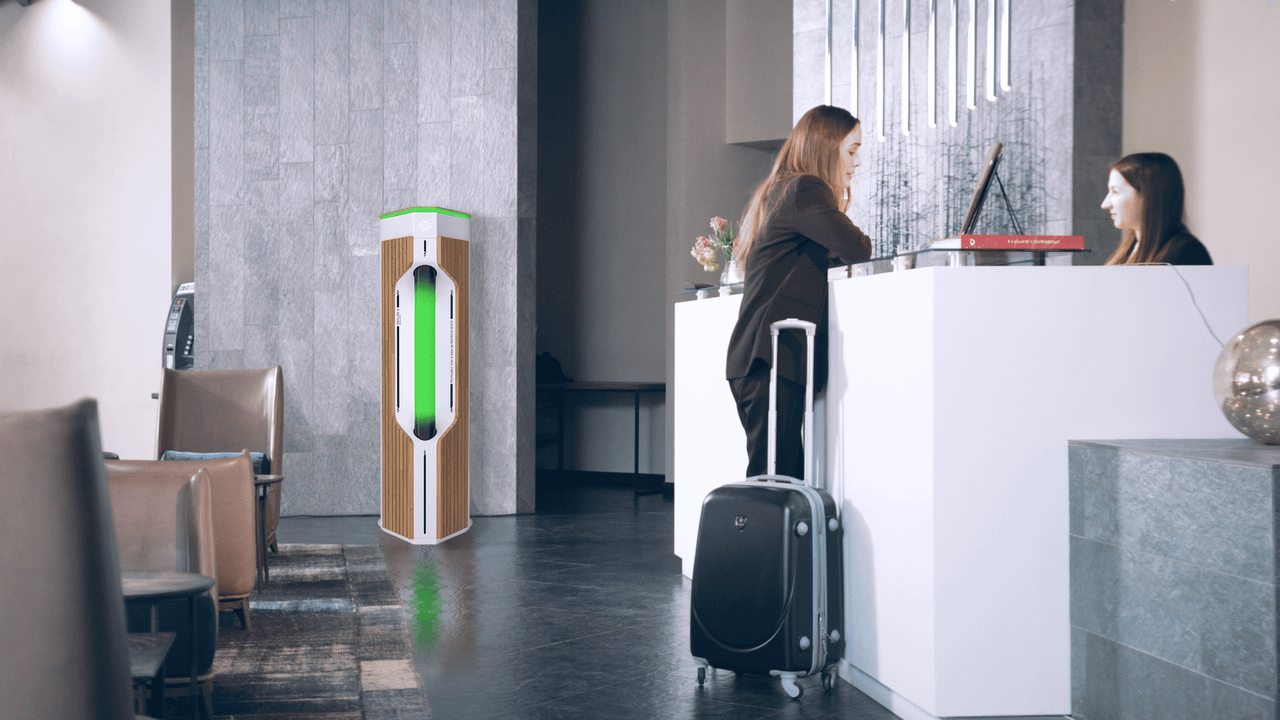
Bioteos et les microalgues : un levier concret pour atteindre l'excellence HQE
Atteindre les niveaux Performant ou Très Performant de la Cible 13 HQE demande plus qu'une ventilation correcte. Retour sur le bâtiment Forum.

Bioteos : des solutions pratiques pensées pour le long terme
Un purificateur qui remplace ses filtres toutes les six semaines n'est pas une solution durable. Comment les microalgues produisent un cycle circulaire.
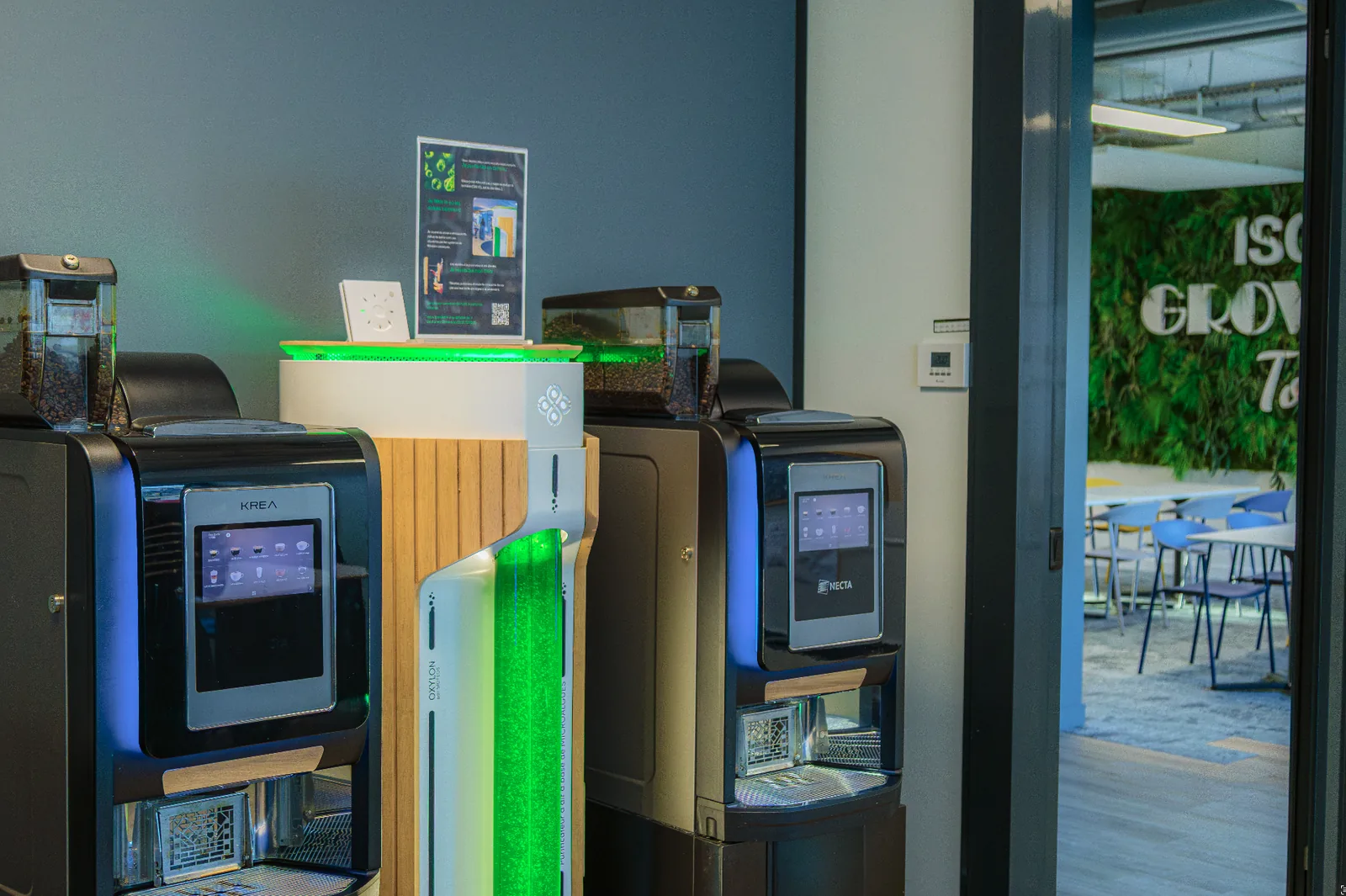
Pourquoi et où installer un purificateur d'air en entreprise
L'emplacement d'un purificateur pèse plus que ses spécifications techniques. Comment choisir les zones prioritaires pour un impact mesurable.
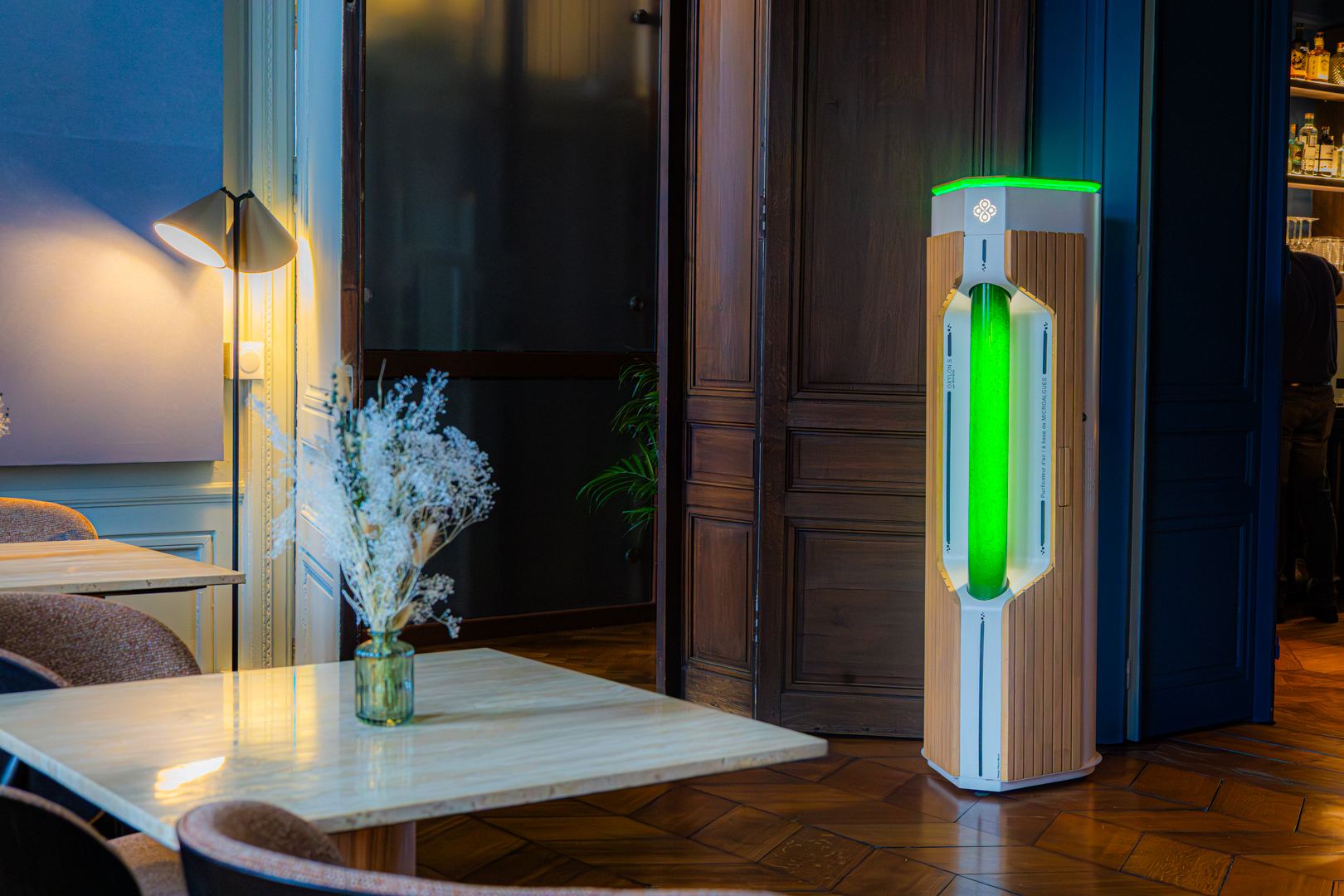
Qualité de l'air : les obligations 2026 pour les collectivités gestionnaires d'ERP
Trois obligations s'empilent depuis 2023. 2026 ajoute la transposition d'une nouvelle directive européenne. Le cadre complet, sans raccourci.
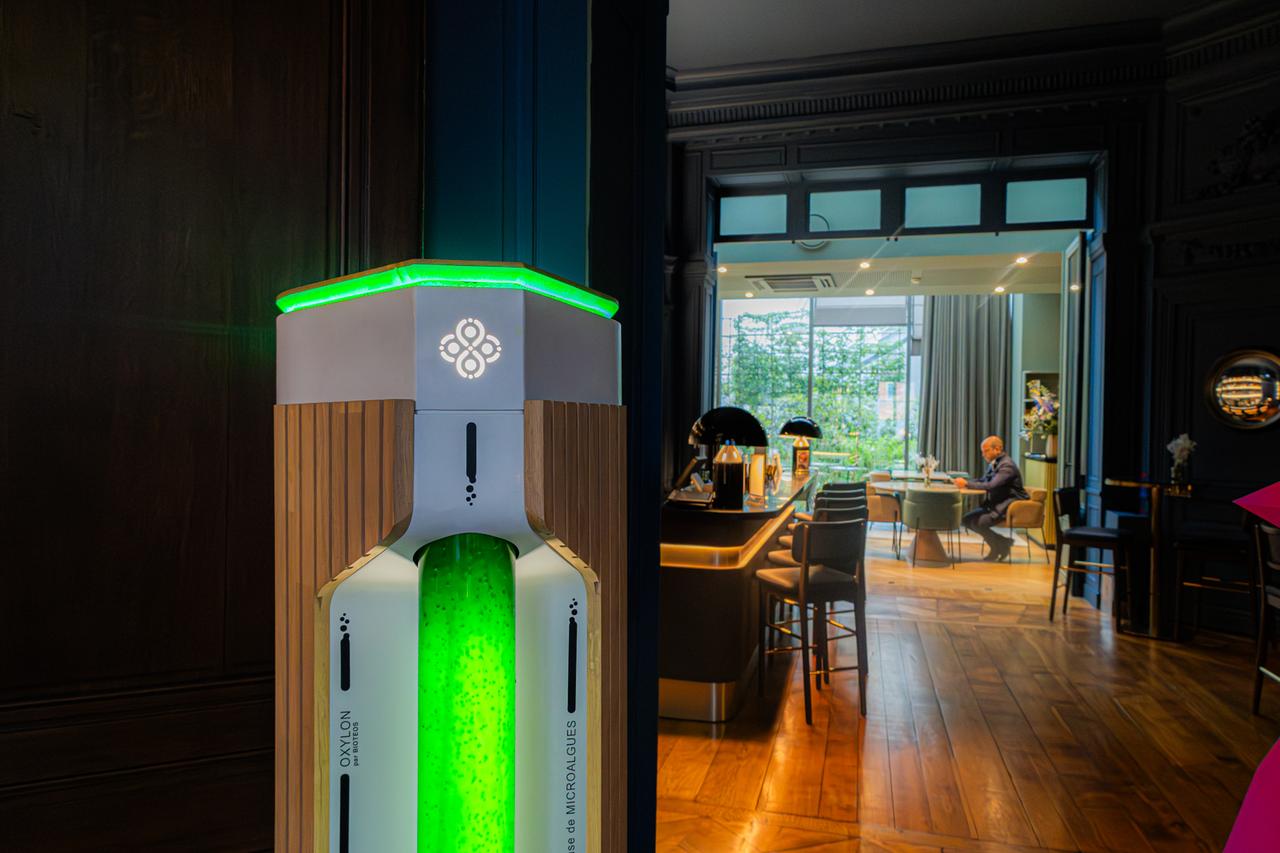
Air pur et prévention des maladies respiratoires : ce que la littérature documente
Nous inhalons plus de 15 000 litres d'air par jour, dont 90 % en intérieur. Ce que les études disent du lien avec les pathologies respiratoires.
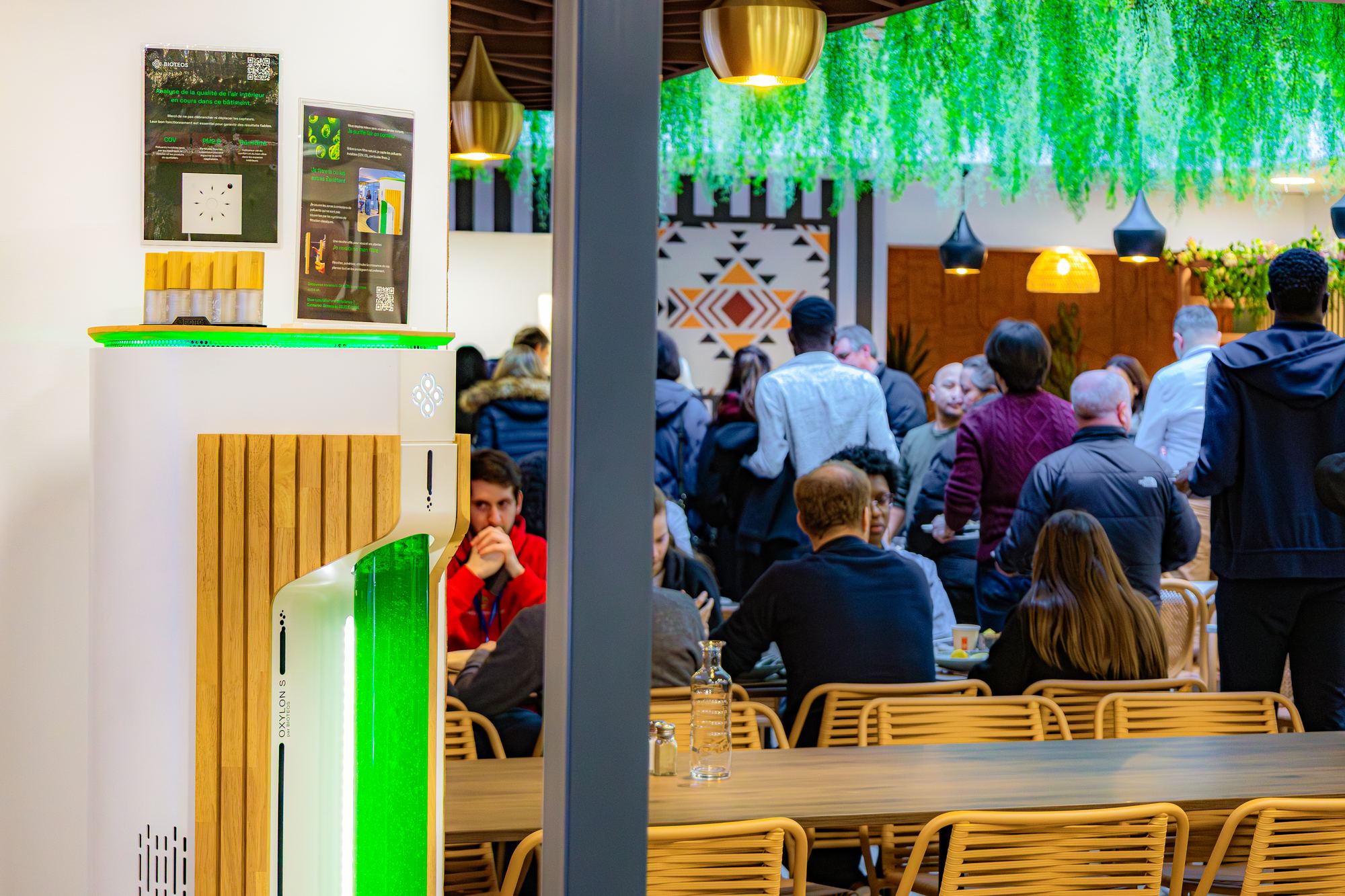
Pourquoi la pollution de l'air intérieur varie-t-elle ?
La qualité de l'air intérieur fluctue selon les usages, les matériaux, la ventilation et les conditions climatiques. Ce que cela change pour la stratégie de traitement.

Pollution de l'air intérieur : le nouveau défi sanitaire des collectivités
L'air dans une salle de classe peut être jusqu'à 7 fois plus pollué que dehors. 30 000 cas d'asthme pourraient être évités chaque année chez les enfants.
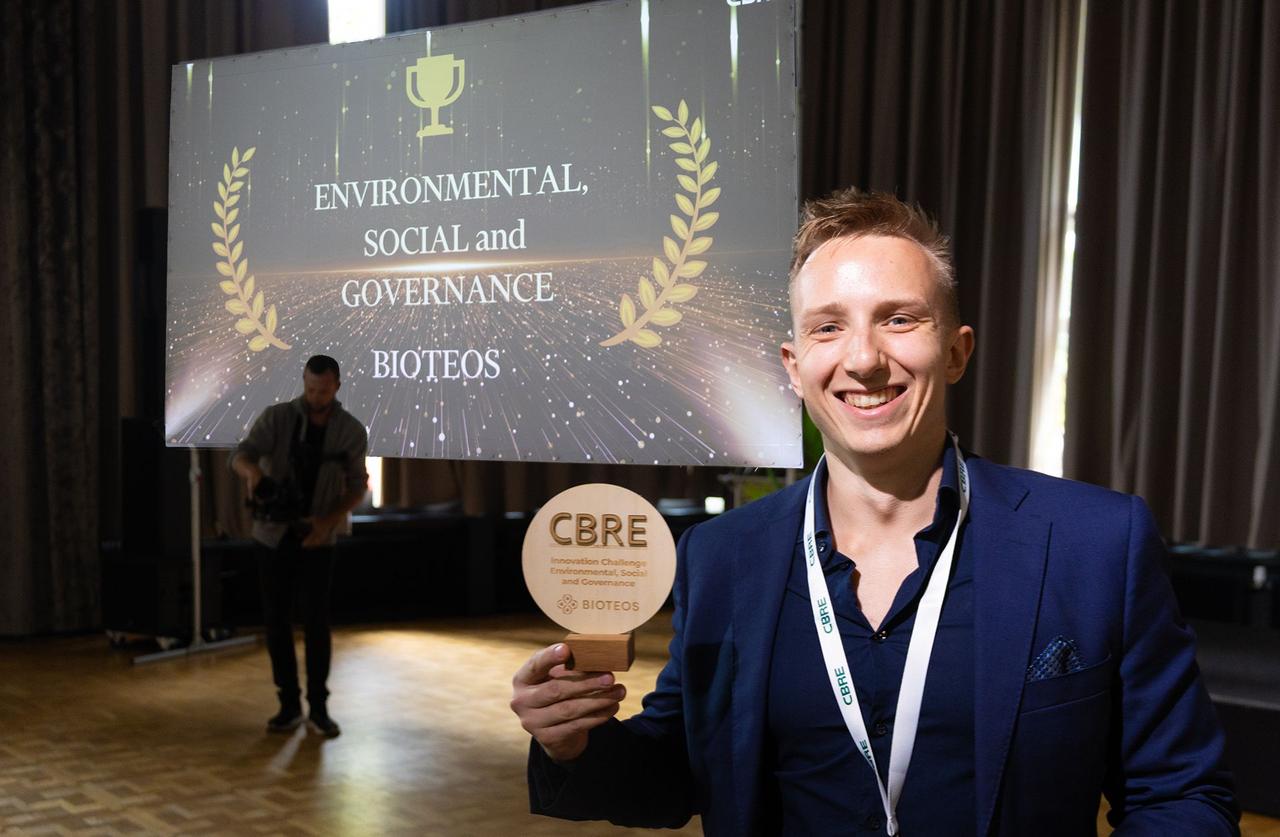
Bioteos récompensée par CBRE GWS : prix de l'entreprise innovante de l'année
CBRE GWS a distingué OXYLON lors de ses ESG & QHSE Awards 2025, pour son impact démontré sur la santé et la performance des occupants.
Que sont les composés organiques volatils et pourquoi sont-ils dangereux ?
Invisibles et omniprésents dans les espaces de travail, les COV représentent un enjeu de santé publique sous-estimé. Ce qu'ils sont et d'où ils viennent.
Les particules fines : un fléau invisible pour la santé et l'environnement
239 000 décès prématurés par an en Europe. 12,9 milliards d'euros de coût annuel en France. Ce que sont les PM et comment les traiter.
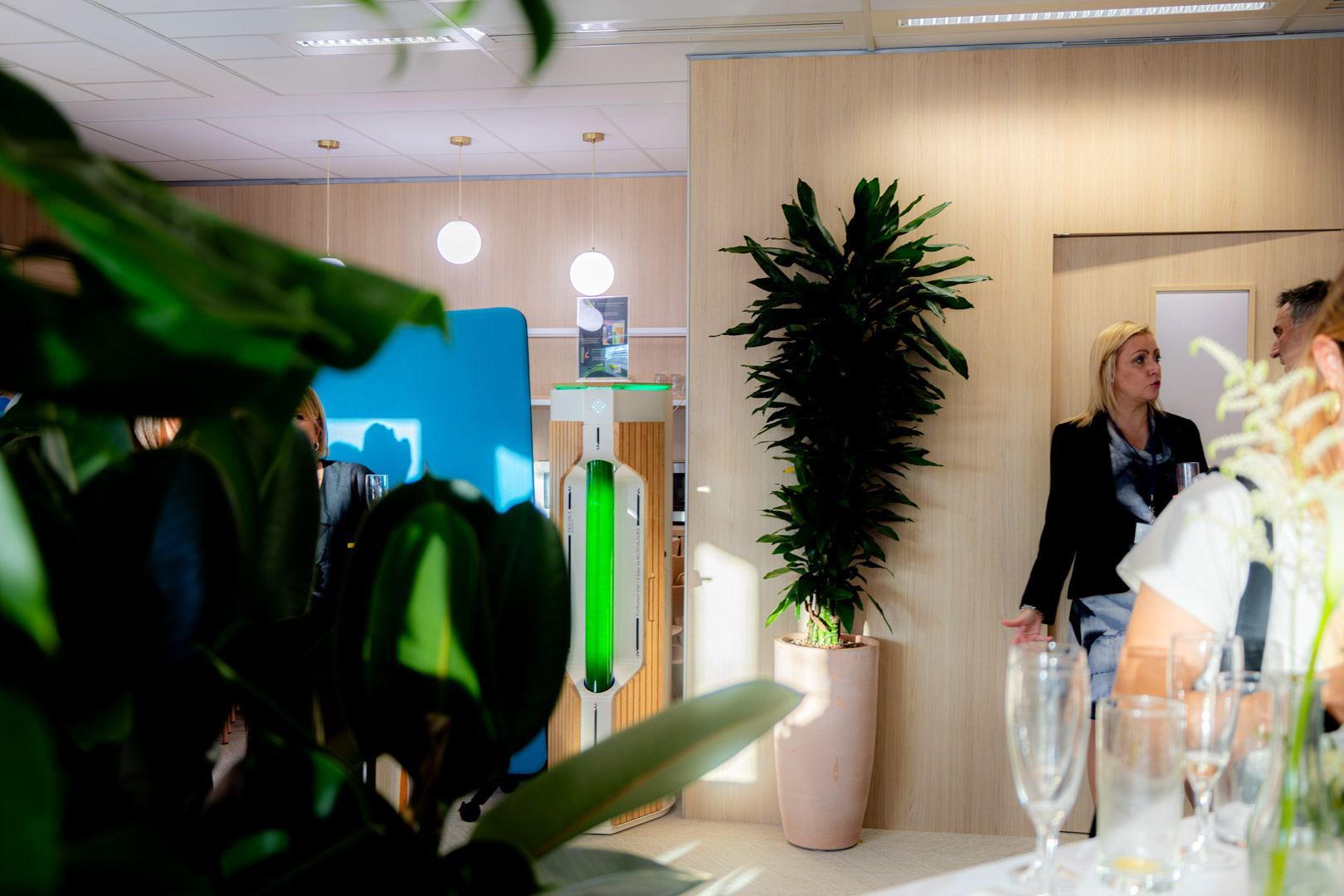
Qualité de l'air : un levier méconnu pour booster la productivité économique
Une étude OCDE (2025) : chaque µg/m³ supplémentaire de PM2.5 coûte 0,55 % de productivité. Ce que cela change pour les entreprises.
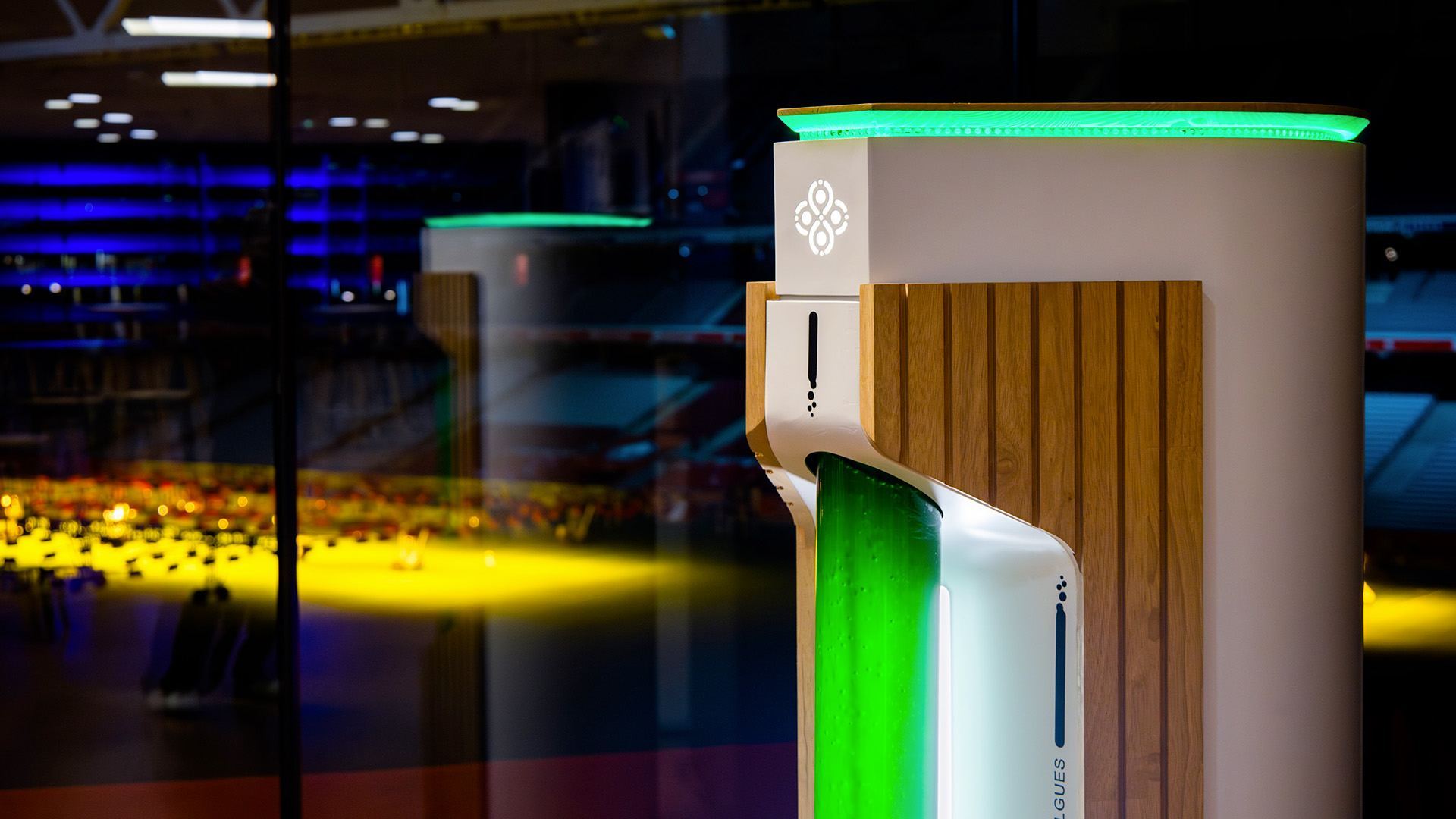
Bioteos reçoit le Prix du Jury du Moovjee 2025
Le 16 juin au Trianon à Paris, lors des Trophées Moovjee, Bioteos a reçu le Coup de cœur du Jury pour son engagement contre la pollution de l'air intérieur.
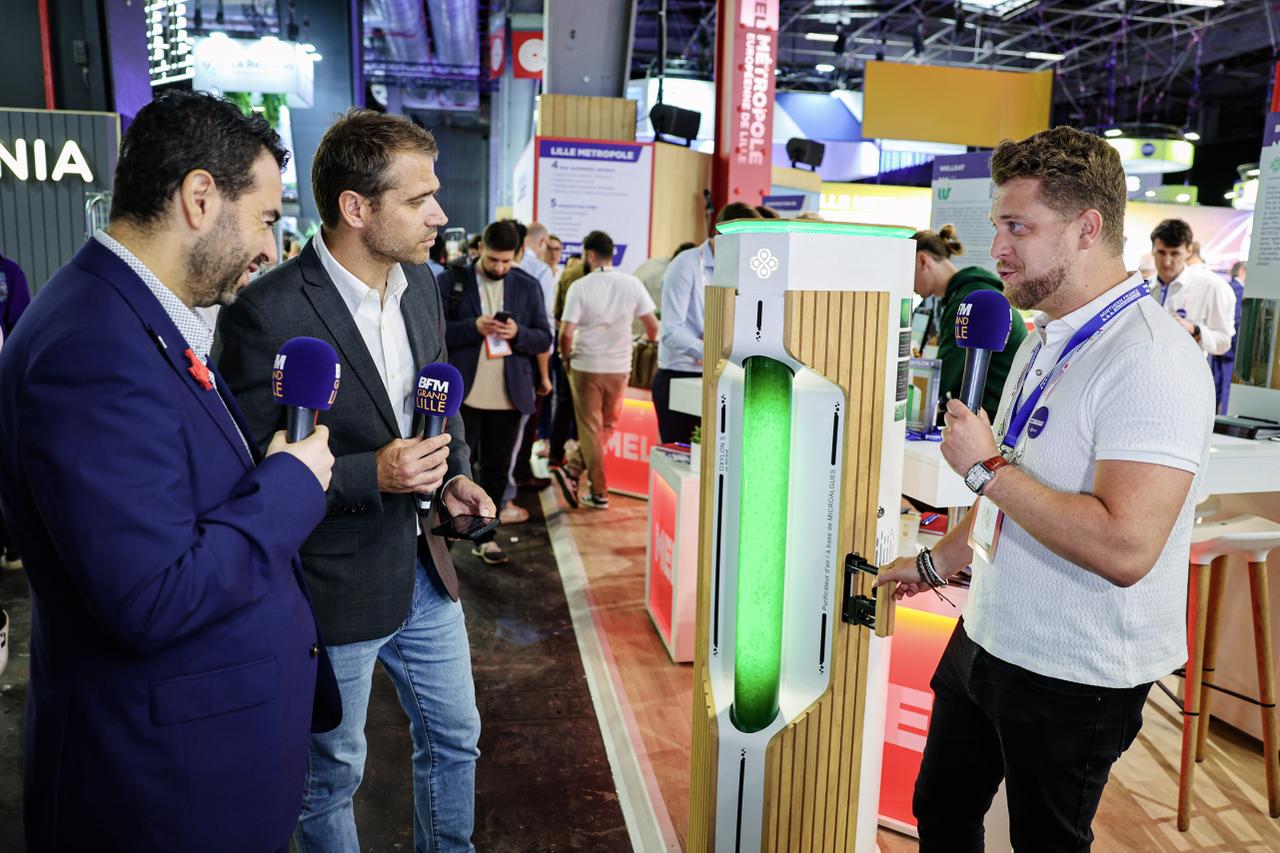
VivaTech 2025 : Bioteos au cœur de l'innovation pour un air plus sain
Présence sur les stands SNCF, Huawei, BNP Paribas et Métropole de Lille. Une édition exceptionnelle en matière de visibilité et d'opportunités.
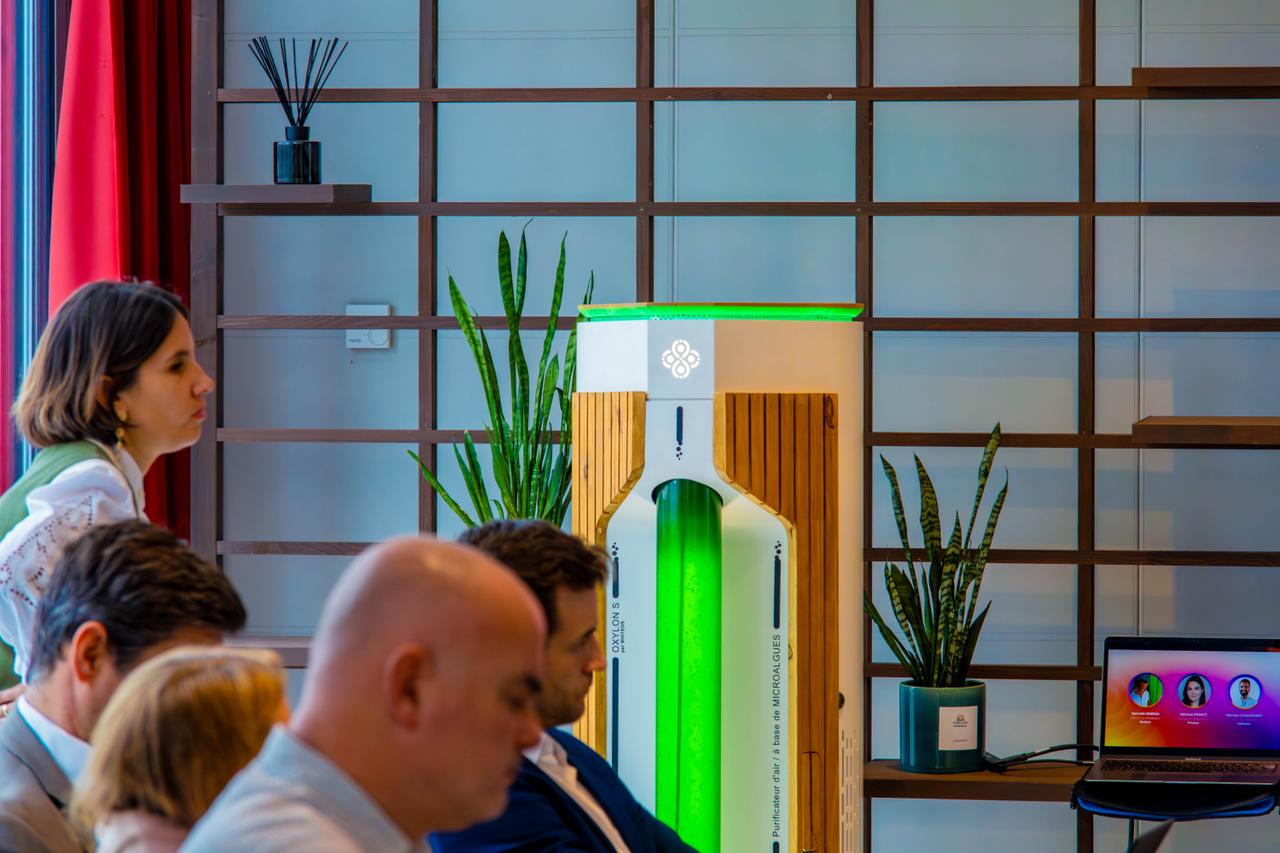
Comment sensibiliser vos collaborateurs à la qualité de l'air intérieur ?
Informer les équipes est la première étape pour qu'elles deviennent actrices de leur environnement. Stratégies concrètes pour une démarche efficace.
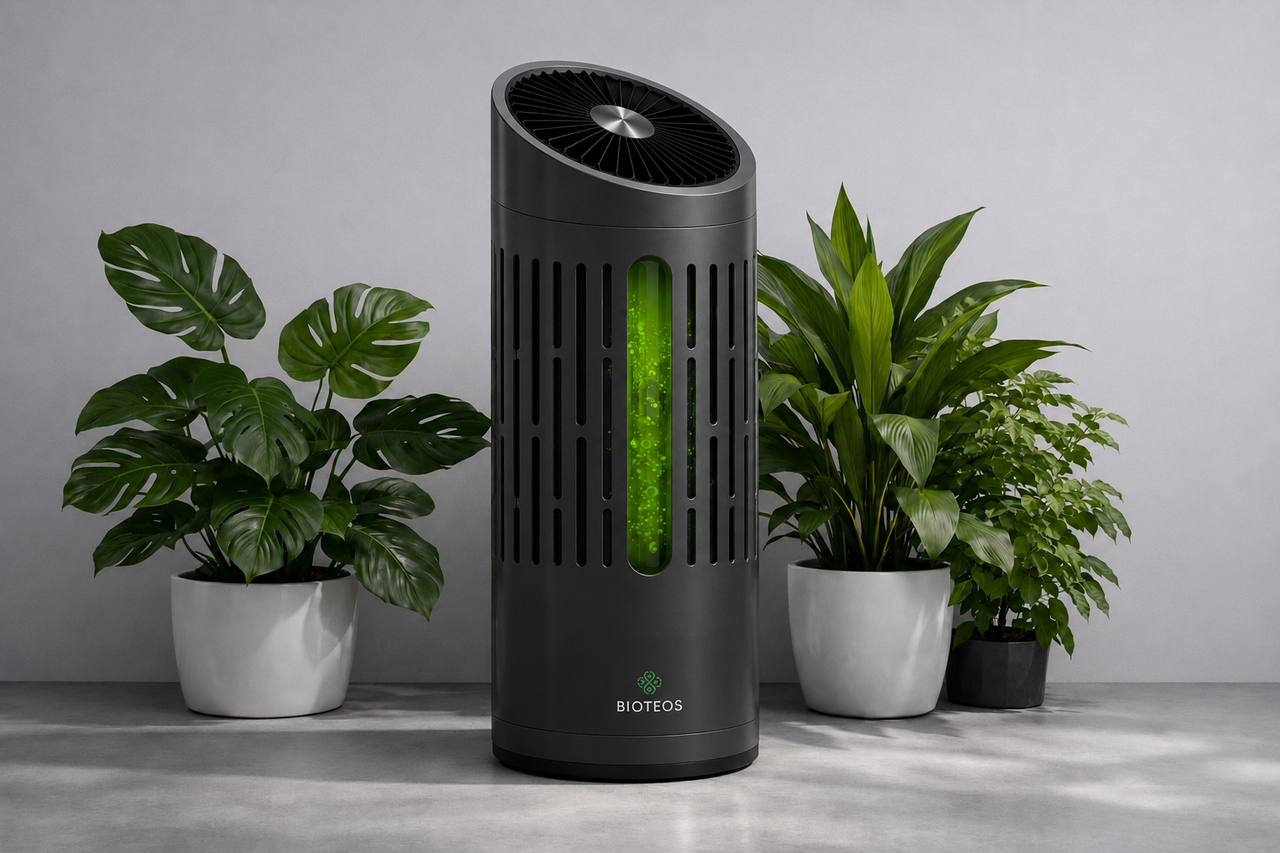
Comment fonctionne un purificateur d'air ?
HEPA, charbon actif, photocatalyse, microalgues — décryptage des technologies disponibles, de leurs forces et de leurs limites respectives.
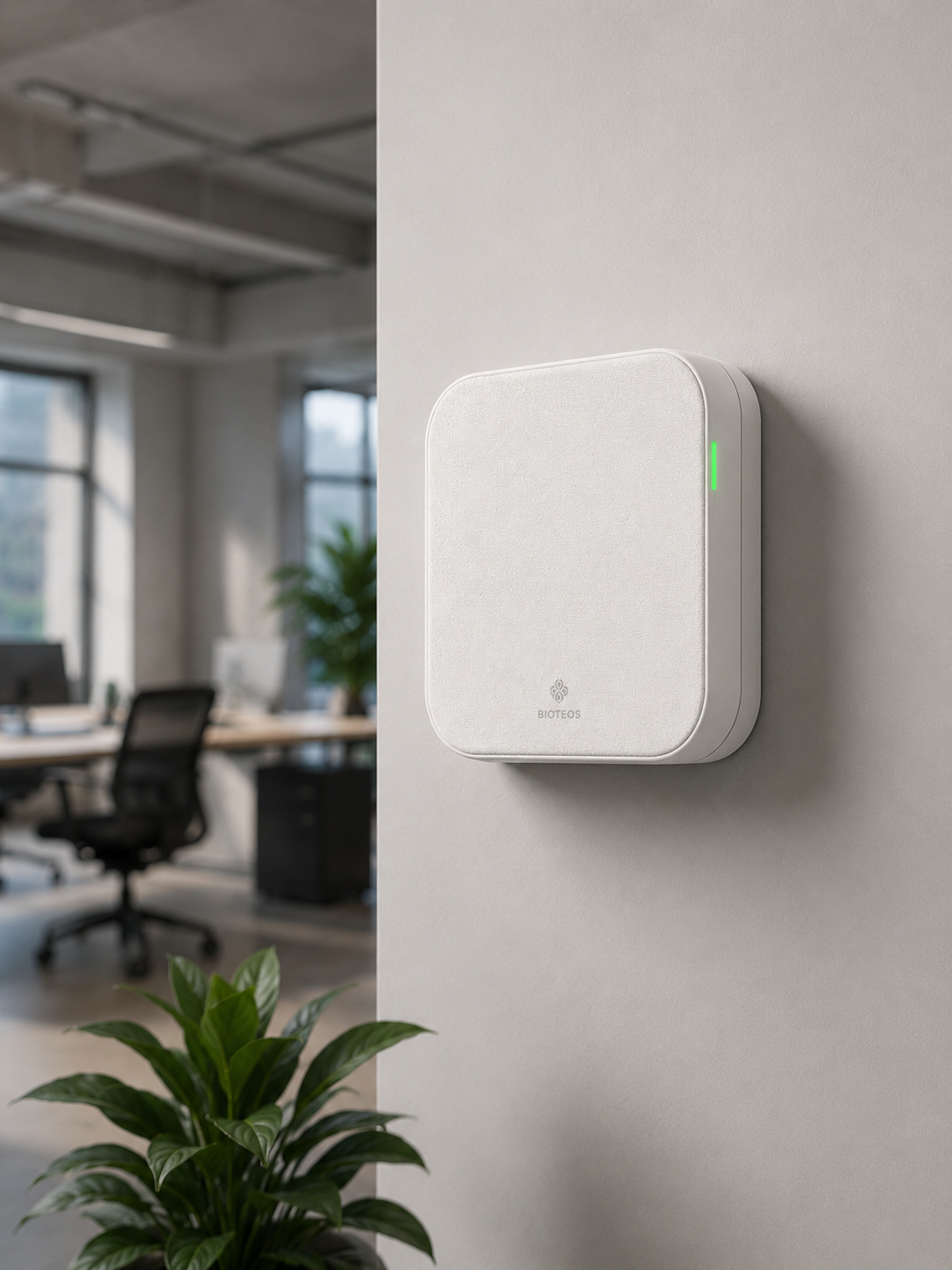
Comment l'air purifié peut faire la différence au bureau
Harvard COGfx : +11 % de performance décisionnelle à faible CO₂, −51 % à 2 500 ppm. Ce que l'air purifié change concrètement pour la performance des équipes.

Bioteos récompensée aux Worknight 2025
Prix « Green & Smart Workplace » au théâtre Mogador à Paris. Une reconnaissance pour la technologie de purification naturelle par les microalgues.
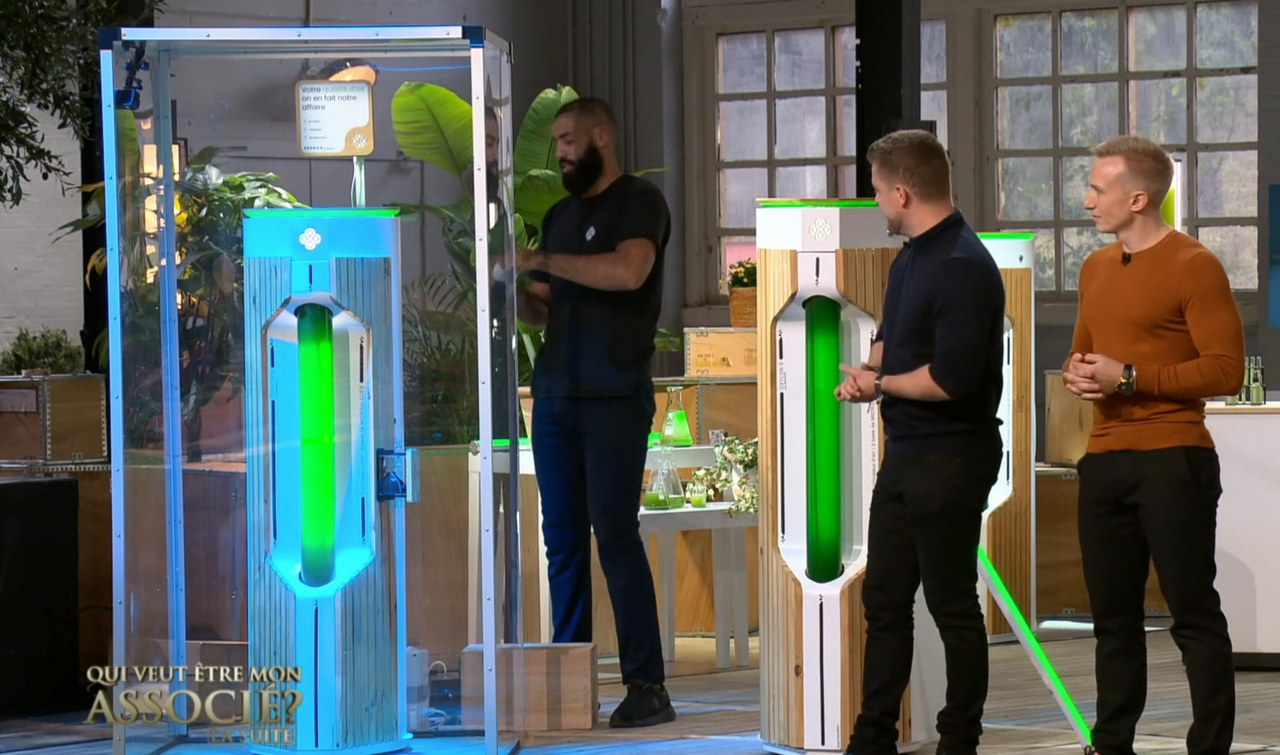
Bioteos dans « Qui veut être mon associé » sur M6
Bioteos a présenté sa solution devant le jury de l'émission M6 — une vitrine nationale pour la technologie de purification par microalgues.
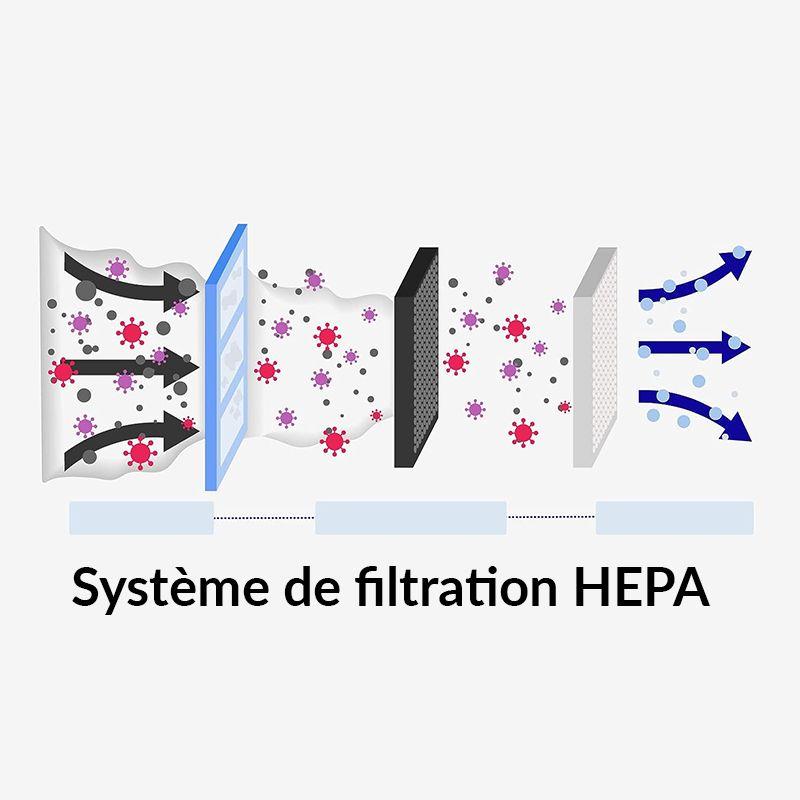
Les inconvénients des purificateurs d'air avec filtres HEPA
Efficaces sur les particules, les filtres HEPA ont une empreinte environnementale souvent sous-estimée. Ce que change l'approche biologique.
Purificateurs d'air et poussière : un combat essentiel contre la pollution intérieure
La poussière est un polluant souvent minimisé mais omniprésent. Ce qu'elle contient, ce qu'elle fait à la santé, et comment la traiter efficacement.

Les microalgues : la solution naturelle pour purifier l'air intérieur
Présente sur Terre depuis 2 milliards d'années, la Chlorella est au cœur de la technologie Bioteos. Ce que ces organismes font pour la qualité de l'air.

La qualité de l'air au travail : pilier de la QVT et levier de performance
La QAI est devenue un enjeu central de la qualité de vie au travail. Ce que disent les études, et pourquoi elle devrait figurer dans toute politique RH.
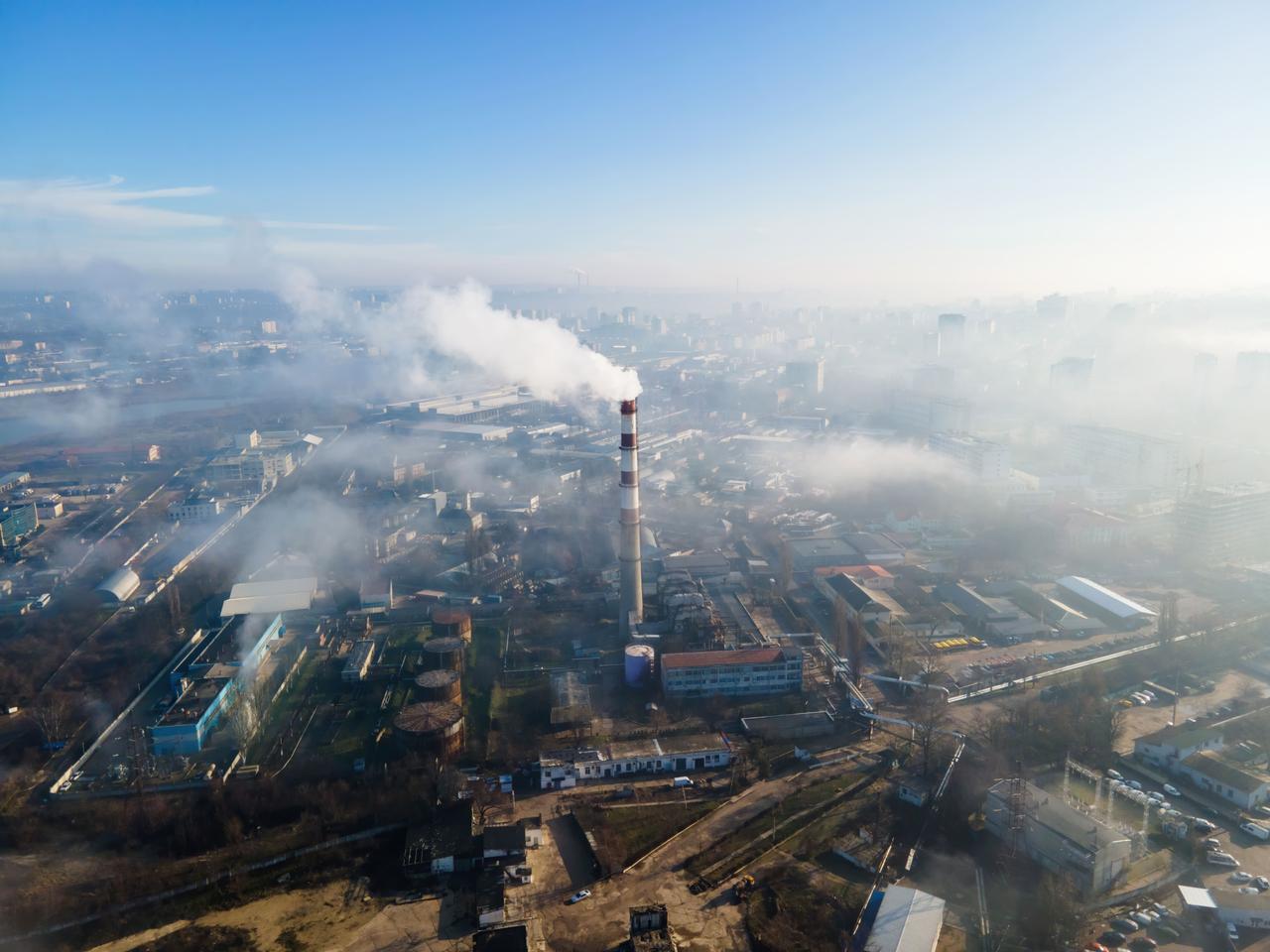
La pollution de l'air : un défi invisible mais omniprésent
7 millions de décès par an selon l'OMS. Une menace invisible qui affecte la santé, l'environnement et l'économie. Ce que contient vraiment l'air ambiant.
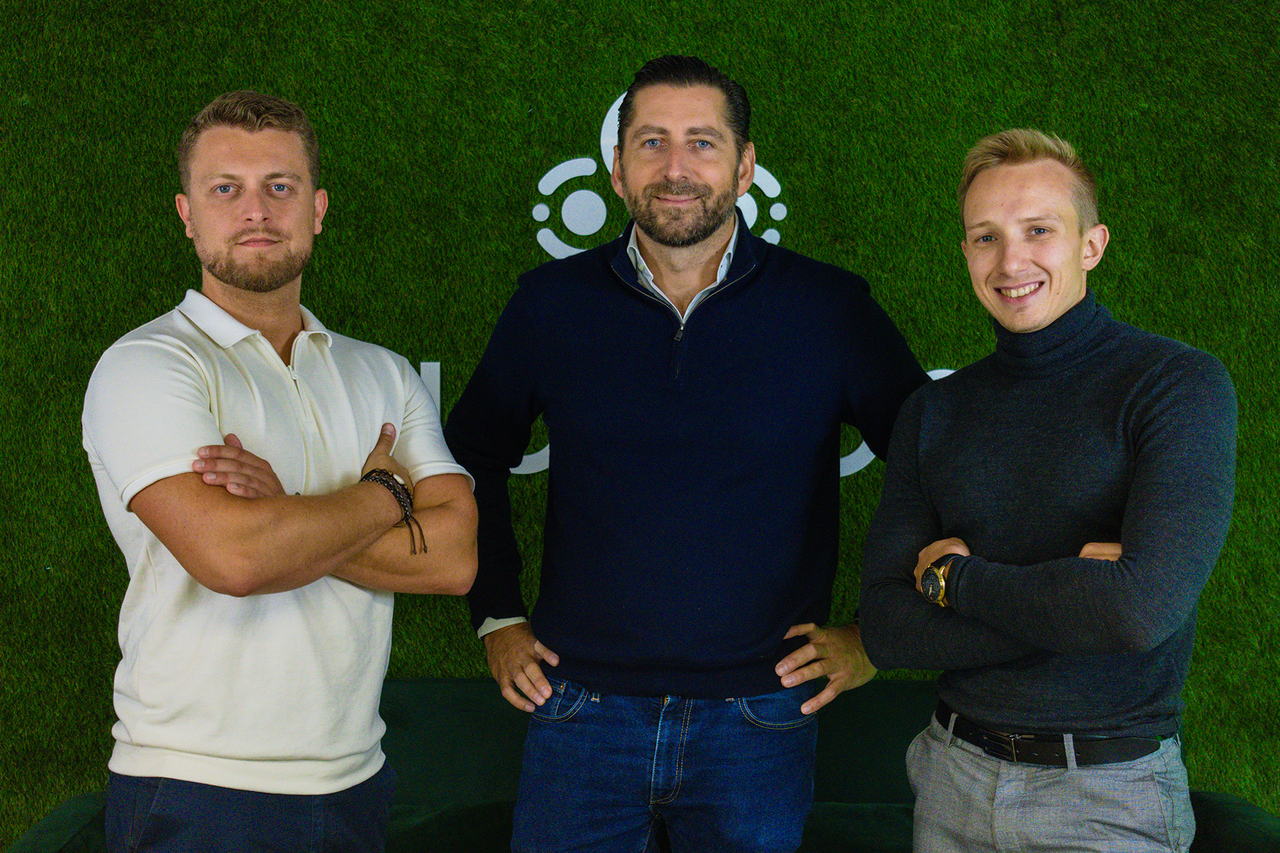
Bioteos annonce une levée de fonds de 1,2 M€ pour purifier l'air
Kaloma Capital, BPI France, French Tech et CIC participent au tour. Les fonds vont financer la R&D, la production et l'expansion nationale.
Aucun article dans cette catégorie pour l'instant.